In 1985, Professors Sir Marc Feldmann and Sir Ravinder Maini identified Tumour Necrosis Factor alpha (TNFα) as a key component in diseases of inflammation. They suggested treatment for such diseases could improve by blocking TNFα. This discovery led to decades of research, clinical trials, drug development and the widespread delivery of anti-TNF drugs for inflammatory conditions including rheumatoid arthritis, Crohn’s disease, psoriatic arthritis, and ankylosing spondylitis.
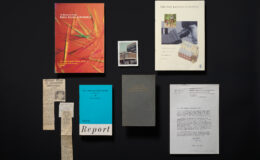
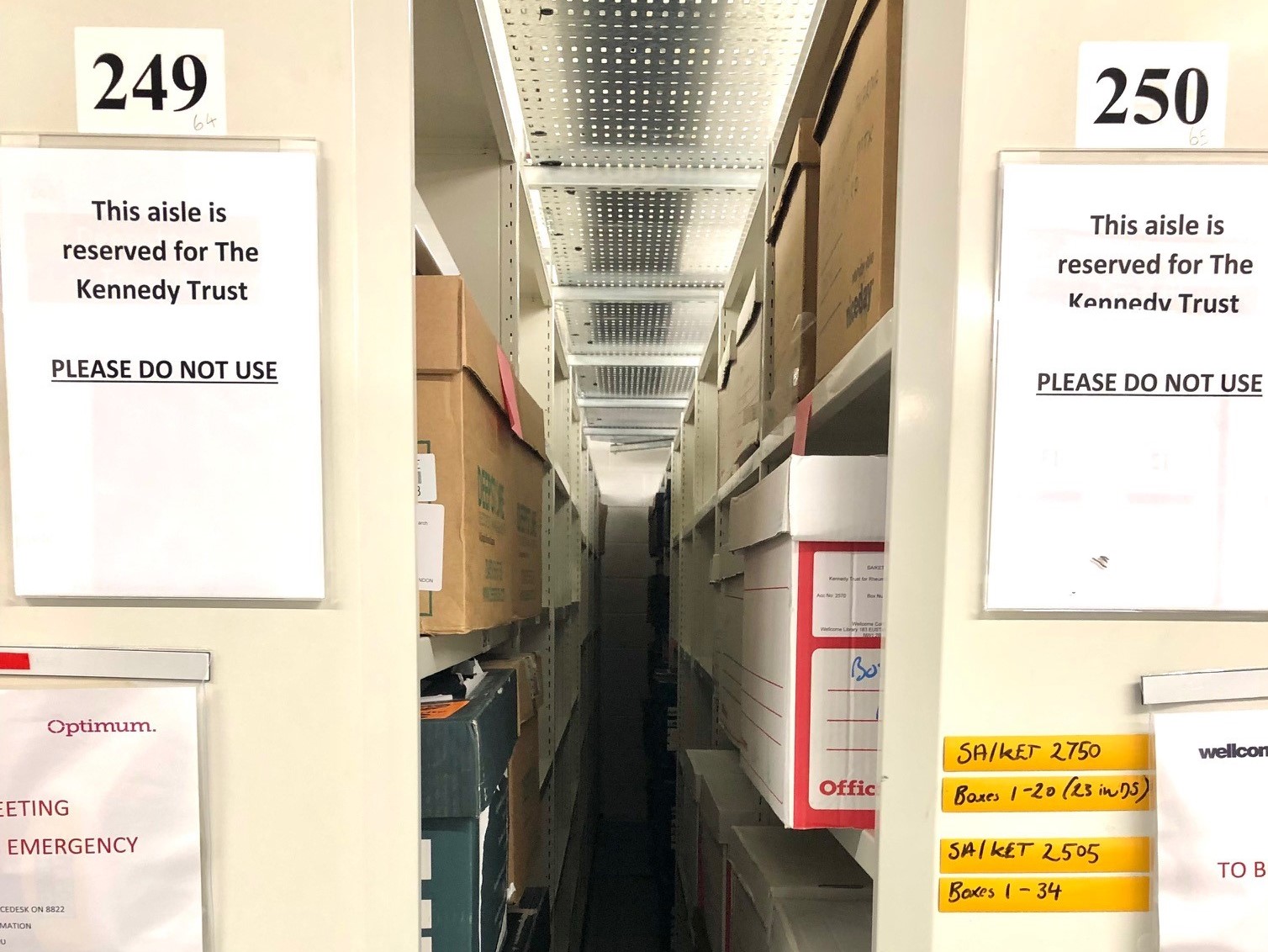
The remarkable history of anti-TNF drug development is captured in the Kennedy Trust archive, which currently resides on loan at the Wellcome Collection. The collection comprises over 100 boxes and largely covers the years 1980-2010. The records detail the various aspects of anti-TNF development including Marc Feldmann and Ravinder Maini’s correspondence with research collaborators, clinical trial papers and drug patenting administration. The archive also contains records relating to aspects of the Kennedy Trust’s history, its numerous research partnerships and locations over the years.
Cataloguing the Collection: June 2022-June 2023
In June 2022 the Kennedy Trust and Wellcome Trust hired me (an archivist) to formally catalogue the collection. This process will determine the exact contents of the Kennedy Trust archive and ensure the management, care, and long-term preservation of the records. The cataloguing process will also enable enhanced access to the archive through a searchable online catalogue and opportunities for research in the Wellcome Library.
In the first months of the project, I expanded on information provided by the Kennedy Trust to create a box list for the collection. This work allowed me to understand the contents and structure of the archive, as well as determine what records will require specialist conservation needs (such as patient x-rays). Alongside this, I utilised Wellcome Collection’s extensive medical library and archives to research rheumatic disease. These processes (largely focused on rheumatoid arthritis) have provided me with new and valuable insights into the disease, historic treatments for RA, and the impact of RA on those diagnosed with the disease. Even in my early work I have been astounded by the extraordinary improvement in symptoms for some patients after receiving anti-TNF therapy in the early RA trials of the 1990s and I am fascinated with the role of the Kennedy Trust in this historical discovery.
Aims for The Project: Cataloguing Archivist
Alongside the more practical goals of arranging, cataloguing, and repackaging the collection, my aim for this project is to preserve and share the legacy of the Kennedy Trust, Marc Feldmann, Ravinder Maini and the many other scientists and collaborators who contributed to anti-TNF drug development. My hope is that the work to make the collection publicly accessible will facilitate access to the records from a wide range of researchers. This includes those looking at historical developments in inflammatory disease, those working towards continuing treatment for rheumatoid arthritis and those with lived experience of rheumatoid arthritis and other inflammatory diseases.
Aims for The Project: Kennedy Trust
Commenting on the launch of the archiving project, the Kennedy Trust’s Chief Executive Dr Stephen Simpson said, “being able to look back through time at this extraordinary journey of medical research provides a fantastic resource for anyone interested in understanding how leading-edge discoveries are made and how they can have transformative impact on the lives of millions of people.”
The Kennedy Trust for Rheumatology Research catalogue will be publicly available via the Wellcome Collection in June 2023. For any enquiries relating to the collection prior to the end of the project, please contact the Wellcome Collection’s Information Team. In the meantime, I will be sharing project updates via this platform.
Annie Lord
Cataloguing Archivist