


The Kennedy Trust launched its Research Ignition Awards in 2023, with the aim of pump-priming innovative and ambitious avenues of research into rheumatic and related musculoskeletal, immunological and inflammatory diseases. Following peer-review by an independent panel of experts, to date 16 awards of up to £100k over 1-2 years have been funded.
Applications for the 2026 Kennedy Trust Research Ignition Awards are currently open and will close 17th June 2026.
- Funding amount: up to £100k
- Funding duration: 1-2 years
- Eligibility: Applications limited to early and mid-career researchers. Investigators must hold a position at a recognised UK research institution for the full period of the award, although collaborations with international investigators are also encouraged.
- Currently open for applications: Applicants are strongly encouraged to express their interest by submitting this short form by 24th April.
- Closing date: 17th June 2026
- Outcome announced: October 2026
For further details, please download a copy of our guidance notes. Applications consist of an application form and CV. If you have any questions about the 2026 call, please contact submissions@kennedytrust.org.
Previous recipients
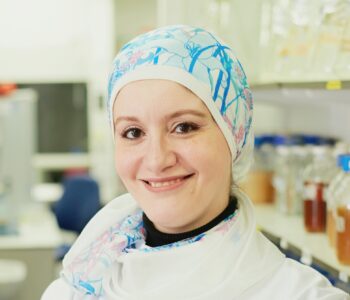
Dr Mahetab Amer, University of Manchester
Engineering 3D Cell-Instructive Microenvironments to Enhance Stem Cell Efficacy in Osteoarthritis
Osteoarthritis causes joint pain, stiffness, and reduced mobility for millions of people. This Research Ignition Award will support research into a drug-free, biomaterials-based strategy to improve joint repair by guiding how stem cells behave in damaged and inflamed environments. Using injectable materials with surface features that influence cell responses, Dr Amer’s project will investigate why repair is impaired in osteoarthritis and how these engineered materials can help restore it. The findings will help lay the groundwork for future regenerative treatments that enhance the body’s natural capacity to rebuild joint tissues.

Professor Julie Gibbs, University of Manchester
Rev-ving up anti-inflammatory responses in Tregs
Approximately 20% of rheumatoid arthritis (RA) patients do not respond effectively to current treatment options. Consequently, there is an urgent need to develop additional therapies. One promising new strategy for treating RA involves giving patients a therapeutic dose of specialised anti-inflammatory immune cells called regulatory T cells (Tregs). Tregs act to dampen down inflammation and help fix tissue damage. Our recent work has revealed that the behaviour of Tregs changes over the course of 24h, meaning that they are more efficient at doing their job at certain times of day. We propose that this daily variation in function is regulated by the 24h body clock and, in particular, by a protein called REV-ERBa. We will explore the potential of enhancing the function of REV-ERBa within Tregs as a way of improving their therapeutic potential. This work will help us further understand the processes causing inflammation and pain associated with RA.

Dr Adrien Hallou, University of Oxford & Dr Ruby Peters, University of Sheffield
A label-free imaging method to determine the mechanical properties of human tissues in inflammatory diseases
Collagen is one of the body’s most abundant proteins, but when too much of it accumulates, tissues become abnormally stiff. Pathological remodelling of the collagen fibre networks that support tissues underlies many conditions, including psoriasis, inflammatory bowel disease, rheumatoid arthritis, and cancer. Clinicians routinely examine biopsies to assess collagen organisation as a marker of disease severity and to guide treatment. However, current methods cannot directly measure tissue stiffness, the defining feature of diseased tissues. There is a pressing need for simple, cost-effective and non-invasive tools that can link collagen structure to tissue stiffness in a clinical setting. We propose to develop an AI-powered, image-based technology capable of estimating tissue stiffness directly from standard biopsies. Designed for use with equipment already common in healthcare settings, this approach will offer new insight into the relationship between collagen organisation and tissue mechanics, delivering a step-change in our understanding of extracellular matrix in rheumatological and inflammatory diseases.
Dr Chris Mahony, University of Glasgow
Unravelling the Interplay Between Ageing Fibroblasts and Immune Cells in Rheumatoid Arthritis
Immune-mediated inflammatory diseases (IMIDs), such as rheumatoid arthritis (RA) affect between 3-7% of people in developed countries. These conditions cause pain, fatigue, and loss of tissue function, significantly impacting quality of life. Current treatments work by suppressing the immune system, leading to an increased risk of infection and side effects. In addition, these therapies become less effective with age and the reason for this is unknown. A key change in diseased tissue is the invasion of immune cells, which alters the tissue environment. Dr Mahony’s research seeks to understand how specific cells, known as fibroblast that normally help maintain healthy tissue structure and repair damage, become overactive and contribute to inflammation in RA. Specifically, he will investigate age-associated changes in fibroblast behaviour that could be therapeutically targeted as a means of treating RA and other chronic inflammatory diseases.

Professor Neal Millar, University of Glasgow
Dissecting the epigenetic crosstalk between stromal and immune compartments at the enthesal site in Psoriatic Arthritis
Psoriatic arthritis (PsA) is a common joint disease that appears in one third of individuals with skin psoriasis, causing chronic inflammation, pain and deformities that negatively affect quality of life. In PsA the joint inflammation characteristically affects contact points between tendons and bones and it is believed that mechanical load could be involved in the development of inflammation. Following mechanical stress or cellular damage, tendon cells are alerted and become activate and can subsequently activate cells of the immune system tiggering development of joint inflammation.
Following the insult that initiates disease, these tendon cells can have altered gene activity and Professor Millar and Dr Akbar’s research seeks to understand the mechanisms by which this gene activity is controlled in PsA development and the alterations that govern cellular gene activity. It is hoped that this will help identify new pathways that may lead to ways of treating this debilitating disease.

Dr Sarah Rice, University of Manchester
COLGALT2 as a mediator of osteoarthritis risk
Cartilage is composed of cells encased in a scaffold of collagens which provide strength to the tissue. In osteoarthritis, this scaffold disintegrates, preventing cartilage from functioning. Our recent genetic analyses have identified that some individuals produce too much of an enzyme called COLGALT2 throughout their lives, putting them at risk of developing osteoarthritis in adulthood. COLGALT2 adds sugars to collagens as they are being produced by cartilage cells, yet very little is known about how the correct functioning of this enzyme impacts joint health. We think that too much COLGALT2 changes the structure of collagens, weakening joint cartilage. We will test what COLGALT2 does in human cartilage cells using state-of-the-art mass spectrometry technology. This will allow us to measure the way in which COLGALT2 can change the number or structure of collagens. We hope to use this knowledge to develop new medicines that can improve cartilage health, potentially benefitting millions of older people living with osteoarthritis.

Dr Ghada Alsaleh, University of Oxford
Targeting TFEB to develop pharmaceutical interventions for osteoarthritis
Dr Alsaleh received her Research Ignition Award for a research project to develop interventions for osteoarthritis, a leading cause of disability worldwide. Her research project will focus on aging of cells, which is known to be the greatest risk factor for OA. The process of autophagy, which is a major recycling pathway for cells to maintain their functionality, declines with age. Dr Alsaleh’s group has revealed an opportunity to promote more ‘youthful’ autophagy by developing medicines which influence the expression and function of a single gene called TFEB, which they found to dramatically decrease with age in different human cells.

Dr Kim Chisholm, University of Nottingham
The Gatekeepers of Pain: Shedding light on the role of projection neurons in osteoarthritic pain
Osteoarthritis often manifests in debilitating pain, a symptom not directly correlated with joint damage. Recent insights suggest that changes in the nervous system significantly contribute to this persistent pain. Dr Chisholm’s project focuses on a potentially important contributor to these nervous system changes: spinal cord projection neurons. These cells hold a critical position in pain and sensory processing, as they receive, modify, and relay signals associated with temperature, itch, and pain from the body’s periphery to the brain. The project aims to investigate the role of these neurons in osteoarthritis using innovative techniques to observe and manipulate them within live animals. This could unveil crucial insights to improve our understanding of, and potentially address the pain experienced in osteoarthritis.
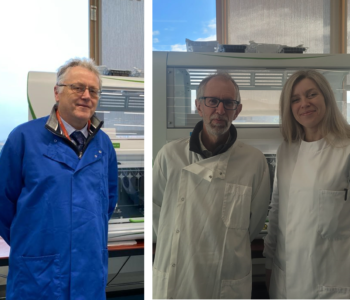
Prof Ian Clark, Dr Rose Davidson and Prof Alex MacGregor, University of East Anglia
Dietary Screening Bioactives in Arthritis (DISCOVER) Platform
The food we eat can affect arthritis, for example through inflammation, which can impact upon the structure of the joint and influence pain. Some foods have been linked to osteoarthritis in population studies, but the laboratory evidence supporting these connections is poor. This is because laboratory studies don’t capture the complexity of how different foods interact. Researchers typically study one factor at a time, which limits their understanding of the bigger picture. In this project, Prof Clark, Dr Davidson and Prof MacGregor aim to overcome these limitations by using a more sophisticated approach which will allow them to test the effects of many dietary components simultaneously and understand how they interact. Ultimately, this will allow evidence-based advice enabling osteoarthritis patients to use diet in the self-management of their disease.

Prof Marco Fritzsche, University of Oxford
Establishing next-generation SPI-LLSM drug profiling technology for rheumatological, musculoskeletal, and related inflammatory disorders
With the Research Ignition Award, Prof Fritzsche and his group plan to establish next-generation microscopy technology to support drug profiling rheumatological, musculoskeletal, and related inflammatory disorders. The last few decades have seen unparalleled advancements in health and disease as a result of multi-disciplinary efforts across research, clinics and biomedical engineering. However, genuine translation of drugs to market remains slow and costly.
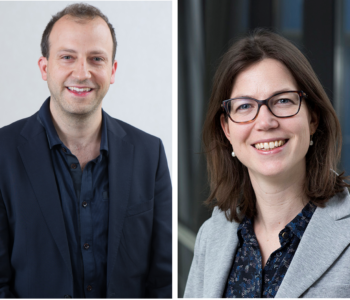
Dr Pierre V. Maillard, Queen Mary University of London, and Dr Annemarthe G. van der Veen, Leiden University
Peptide mimicry of a viral protein to halt interferon-driven autoinflammation
To fight pathogens such as bacteria and viruses, we are equipped with a sophisticated immune system. However, sometimes the immune system is accidentally activated in the absence of an infection causing unwanted inflammation. In such autoimmune and autoinflammatory diseases (e.g. systemic lupus erythematosus, rheumatoid arthritis, and Aicardi-Goutières syndrome) type I interferons (IFNs) are being made. These signalling molecules are normally produced to combat virus infection but in autoimmune/autoinflammatory disorders IFNs cause or contribute to disease. Current treatments to halt IFN production are non-specific and come with side effects. Dr Maillard and Dr van der Veen’s project aims to pioneer a novel strategy to limit IFN production in autoimmune and autoinflammatory diseases.

Prof Paul J. Lehner & Dr Christian Gawden-Bone, University of Cambridge
Identifying drug targets in VEXAS syndrome – a novel auto-inflammatory disease
VEXAS syndrome is a newly described autoinflammatory disease present in ~1:4000 male patients more than 50 years old. Cells from these patients have a mutation in the first enzyme of ubiquitin conjugation, the pathway by which cells regulate protein turnover. This becomes especially important when cells need to switch off inflammatory signals. In VEXAS syndrome the ubiquitin pathway cannot turn off these inflammatory signals, leading to chronic inflammation with high morbidity and mortality. The lack of specific treatments makes the identification of disease-targeted treatments imperative. Professor Lehner and Dr Gawden-Bone plan to understand how VEXAS cells go wrong, identify unique cellular vulnerabilities and identify new treatments.

Dr Rushad Pavri, King’s College London
Investigating the importance of somatic hypermutation in autoimmune arthritis in mice
The goal of Dr Pavri’s research is to explore the potential of somatic hypermutation (SHM) as an adjunct therapy in rheumatoid arthritis (RA), an autoimmune disease characterized by high levels of autoantibodies targeting normal tissues. Although drugs like Rituximab provide relief, they are not effective in all patients, and their potency diminishes over time. SHM generates disease-specific autoantibodies through a unique mutational process and Dr Pavri and his colleagues hypothesize that inhibiting proteins crucial for SHM can reduce the production of pathological autoantibodies in RA. To address this, they will generate mouse models to investigate the relevance of two newly identified proteins in SHM and RA-like disease.

Dr Rebecca L. Ross, University of Leeds
Exploring the relation between circulating epithelial cells (CECs) and autoimmunity in the pathogenesis of systemic fibrosis
The precise processes that initiate fibrotic diseases such as Systemic Sclerosis (SSc) remains largely unknown. Aberrant regulation of normal tissue repair processes including deregulation of the immune system are key features in the blood, skin and lungs of SSc patients. Recently, it has been identified that the process of metastasis – how cancer cells spread throughout the body- is in fact a naturally occurring process that contributes to normal tissue repair and is corrupted by cancer. Normal epithelial stem cells circulate in the blood like metastatic cancer cells, and contribute to tissue repair or, when in excess, caused generalized tissue inflammation and fibrosis. During this project, Dr Ross and colleagues will explore the role of circulating epithelial cells in immune-driven fibrosis.

Dr Srilakshmi M. Sharma, University of Oxford
Characterisation of cells in aqueous humour as a target tissue in uveitis; a spondyloarthropathy-associated disease using parallel proteomics and single cell RNA sequencing
Uveitis is a condition where a part of the eye called the uvea becomes inflamed. It can occur on its own in the eye or in association with other diseases including inflammatory bowel disease, ankylosing spondylitis and psoriasis. Dr Sharma’s group is undertaking research using cutting edge technology called single-cell RNA sequencing and proteomics to understand the molecular and cellular changes during eye inflammation in humans. The award will enable Dr Sharma’s team to expand to achieve a large scale bioinformatic resource and enable cross tissue genomics, with tissue from associated inflammatory diseases including ankylosing spondylitis. The goal will be to identify markers of inflammation which can be used in future clinical trials to show how patients are responding.

Dr Akira Wiberg, University of Oxford
Towards novel non-surgical therapies for carpal tunnel syndrome: A detailed characterisation of the sub-synovial connective tissues
Carpal tunnel syndrome (CTS) is a common and disabling disease of the hand caused by compression of the median nerve in the wrist. While there are surgical options, the procedure is not always a success, and there are, as yet, no effective drug treatments. This Research Ignition Award will support a project that uses a technique called single-nucleus RNA sequencing to study the cells and molecules that play a role in the thickening and scarring of the connective tissues that wrap around the median nerve. A better understanding of the biology of this tissue will bring us one step closer to developing new, non-surgical treatments for CTS.