

Transition Fellowships

The Kennedy Trust launched its Transition Fellowship scheme in October 2024, with the aim of supporting talented postdoctoral researchers to develop an independent research career and progress towards higher-level appointments. The Fellowship of £500k for up to 5 years will be awarded in any basic or clinical scientific discipline with a clear relevance to rheumatic or related musculoskeletal, immunological or inflammatory diseases.
Providing crucial support at a pivotal career stage, the award will also promote the development of broader skills and expertise beyond, but integral to, research. Additional support from the Fellow’s host institution will be encouraged.
Applications for the Kennedy Trust Transition Fellowship will open in October 2026.
- Funding amount: up to £500k
- Funding duration: up to 5 years
- Eligibility: postdoctoral researchers who do not currently hold a permanent academic position and who have clearly demonstrated support from a recognised host UK research institution.
- Applications open: October 2026
- Applications close: January 2027
- Interviews: May 2027
- Outcome announced: July 2027
If you have any questions about the call, please contact grants@kennedytrust.org.
Transition Fellows

Dr Anna Montgomery, King’s College London
The impact of aging and the monocyte/macrophage axis in arthritis
Dr Montgomery’s research will focus on understanding what immune changes related to ageing contribute to increased risk of developing rheumatoid arthritis. Her previous work, supported by data from other studies, suggests immune cells in the joint called macrophages are a key contributor to symptoms and progression of RA. In particular macrophages that have developed from blood cells called monocytes (monocyte derived macrophages). Dr Montgomery has shown these monocyte derived macrophages are affected by ageing and become more damaging.
During her Transition Fellowship she plans to investigate how ageing impacts blood monocytes, and if this influences the development of damaging pro-inflammatory joint macrophages that contribute to arthritis. By focusing her research on blood cells, Dr Montgomery aims to identify changes before disease onset that could determine arthritis susceptibility.

Dr Joanna Sherwood, University of Birmingham
Harnessing TRPC1 activity to therapeutically regulate cellular survival and senescence pathways in osteoarthritis
Dr Sherwood’s previous work has discovered that the protein TRPC1 is lost from the cells in cartilage at the beginning of osteoarthritis development and that the loss of this specific protein reduces the ability of cells to adapt to adverse mechanical forces and inflammation in the joint. This means that instead of the cells reacting positively to help the joint to heal, or initiating a process to remove diseased cells, the dysfunctional cells stay within the cartilage, actually accelerating joint damage. During her Transition Fellowship she will continue this work by investigating whether restoration of the TRPC1 protein, or prevention of its removal in the first place, can be used as an effective treatment for osteoarthritis.

Dr Lakshanie Wickramasinghe, University of Oxford
Keratin-17: the missing piece of the puzzle to link joint, skin and eye inflammation.
People living with Psoriatic Arthritis often develop vision problems due to a condition called Anterior Uveitis (AU) — a painful inflammation inside the eye that can lead to vision impairment or blindness. Current treatments, such as steroid eye drops, offer only temporary relief and can cause serious side effects.
Dr Lakshanie Wickramasinghe’s research aims to understand why inflammation develops in the eye and how it connects to inflammation in the joints and skin. Using cutting-edge microscopic imaging, new human and experimental models of AU, she will study how the protein Keratin-17 (KRT17) drives inflammation.
She will also explore how mechanical stress — common to the skin, joints, and iris — can worsen this process. This research could lead to more effective, targeted treatments that address the root causes of uveitis, protecting both vision and joint health.

Dr Andrea Mainardi , University of Oxford
From Turing Patterns to force Patterns, solving the ENIGMA of biophysical influences in joint development and disease
Osteoarthritis affects 1 in 10 people in the UK and significantly impacts quality of life and healthcare resources. In osteoarthritis, some processes essential for forming joints during embryonic development are reactivated, linking the disease to how joints initially originate. Both joint development and osteoarthritis are also closely tied to physical forces, such as those from movements like running or climbing stairs. Joint injuries and misalignment often lead to osteoarthritis, while healthy joint formation depends on foetal movements and muscle contractions during pregnancy.
Dr Mainardi will use his Transition Fellowship to develop a new class of developmentally inspired, microscale, laboratory-engineered models of human knee joints. This new approach will provide critical insights into the relationship between mechanical and molecular factors in joint development and osteoarthritis progression. Additionally, it will aid in testing new treatments, such as drugs or cell-based therapies, and reduce the need for animal experiments.
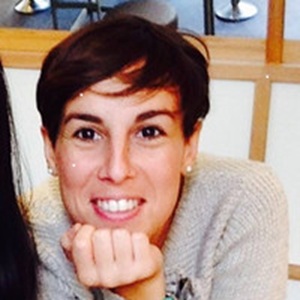
Dr Alice Bertocchi , University of Oxford
Microbial metabolite sensing: identification of new immunoregulatory checkpoints that control tolerance
To maintain a healthy gut, we have developed different systems (checkpoints) to control and efficiently interpret microbiotas’ stimuli. Genetic alterations at these checkpoints can trigger the development of inflammatory disease.
Dr Bertocchi will develop a novel technique to investigate how a cell-type specific regulation of the ADPh-Alpk1 signaling pathway, cooperate to control bacterial infections, to pinpoint which cell-type specific functions this pathway exerts to prevent inflammation.